Payment trends shaping mobility in 2026

In 2026, payment technology is no longer just a backend system. It has become a core component of the mobility experience. From EV charging stations and parking garages to public transport and service stations, frictionless payments are central to how people move.
We see payment becoming more embedded into the journey itself," says Maria Joukovitch, Sales Lead Mobility at CCV from Fiserv. "Users expect payments to be fast, transparent, and flexible across all touchpoints. Invisible payments are high on users' list of expectations.
As mobility becomes more multimodal and connected, payment infrastructure must keep pace. Here are five trends that will shape the landscape in the year ahead.
1. Account-to-account payments are gaining ground
With the rise of instant bank transfers, account-to-account (A2A) payments are becoming a serious alternative to card-based payments. Powered by schemes like SEPA Instant and future-proofed by open banking regulations, A2A enables fast and low-cost transactions between accounts.
A2A is opening up new payment flows for the mobility sector, particularly for services that are digital-first or app-based," Maria explains. "
It offers a high level of flexibility and real-time confirmation, which can enhance the user experience in dynamic environments like public transport or EV charging.
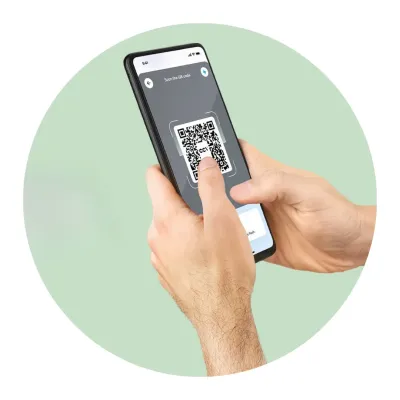
2. Alternative payment methods and Wero reshape customer expectations
Alternative payment methods and mobile wallets are maturing. In addition to Google Pay and Apple Pay, European initiatives like BLIK in Poland and Wero, the EU-backed wallet, are gaining traction. These wallets combine convenience with regional integration.
When you look at how users interact with services in Poland, for example, BLIK is almost part of daily life," Maria says. "We expect Wero to follow that path, especially as mobility platforms become more integrated across borders.
For CPOs, transport providers and parking operators, supporting these payment methods will be crucial in attracting digitally native users.
3. AI enables predictive and personalised payment journeys
AI in payments goes far beyond fraud prevention. In 2026, it's about personalising the journey: recommending preferred payment methods, enabling smart routing to reduce costs, or predicting failed payment risks before they occur.
Mobility is all about flow. And AI helps ensure that the payment part of the journey doesn't interrupt that flow," Maria notes. "Imagine your EV charging app suggesting the cheapest charging point nearby and offering one-click payment based on your usage pattern. That’s where AI is heading.

4. PSD3 and digital euro drive regulatory readiness
The EU is setting the pace on payment regulation. PSD3, the next evolution of the Payment Services Directive, is expected to strengthen consumer rights, increase data protection and further support open finance.
In parallel, discussions around the Digital Euro are gaining momentum. While not replacing cash or cards any time soon, it points toward more central bank-backed digital infrastructure.
Operators in mobility need to prepare for increased compliance and flexibility," Maria explains. "It's not just about accepting payments but aligning with a fast-changing regulatory framework. At CCV, we see our role as helping clients navigate this complexity.
5. New type of currencies emerge, but infrastructure remains key
Crypto and stablecoins are still experimental in most mobility contexts, but they signal a shift toward programmable, real-time value exchange.
We're not seeing mass adoption yet, but the interest is real, especially for cross-border use cases or Web3-based platforms," Maria says. "The key is building infrastructure that is future-ready, regardless of the currency.
Meeting the moment: how CCV from Fiserv is responding
From contactless PIN-on-glass terminals for EV charging to Android-based devices supporting QR, A2A and wallet payments, CCV from Fiserv is investing in payment technology that adapts to every environment.
We're focused on making payments work for every kind of mobility player, whether it's a city transport agency or a charging point operator in a remote area," Maria concludes.
Looking ahead to 2026 and beyond, one thing is clear: payments are no longer an afterthought in mobility. They are central to the user experience, to operational efficiency, and to building trusted connections across the mobility landscape.
Let’s talk at Intertraffic Amsterdam
Want to explore these trends further? Meet us at Intertraffic in Amsterdam this March (10-13) to see how we can shape the future of mobility payments together. You’ll find CCV from Fiserv at booth 12.229.
We’re looking forward to meeting you and exchanging insights on these topics next to showcasing our payment solutions for mobility.